The Sedge Stitch is a beautiful and textured crochet stitch that is perfect for a variety of projects, from blankets to scarves. This stitch is easy to learn and creates a lovely, soft texture that looks great with different types of yarn. In this article, we will provide a detailed, step-by-step guide to help you master the Sedge Stitch, along with useful tips, variations, and project ideas.
What is the Sedge Stitch?
The Sedge Stitch is a combination of single crochet, half-double crochet, and double crochet worked into the same stitch. This creates a textured, slightly raised pattern that adds depth and beauty to any crochet project. The stitch is easy to memorize, making it a great choice for beginners and experienced crocheters alike.
Materials Needed
To get started with the Sedge Stitch, you will need:
- Yarn: Any type of yarn works, but a medium-weight yarn (worsted weight) is recommended for beginners.
- Crochet Hook: Choose a hook size that matches your yarn weight. A 5.0mm (H-8) hook works well for worsted-weight yarn.
- Scissors: To cut your yarn when finishing your project.
- Tapestry Needle: For weaving in ends neatly.
How to Crochet the Sedge Stitch
Follow these simple steps to crochet the Sedge Stitch:
Step 1: Create a Foundation Chain
Start by making a foundation chain with an odd number of stitches. For practice, chain 21 stitches.
Step 2: First Row
- Work a single crochet (SC) into the second chain from the hook.
- In the next chain, work one half-double crochet (HDC) and one double crochet (DC) into the same stitch.
- Skip the next chain.
- Repeat steps 1 and 2 across the row until you reach the last stitch.
- Work a single crochet into the last stitch. Turn your work.
Step 3: Second and Subsequent Rows
- Chain one (CH 1) to start the next row.
- Work a single crochet (SC) into the first stitch.
- In the next stitch, work one half-double crochet (HDC) and one double crochet (DC) into the same stitch.
- Skip the next stitch.
- Repeat steps 1 and 2 across the row until you reach the last stitch.
- Work a single crochet (SC) into the last stitch, turn your work, and repeat this pattern for as many rows as needed.
Tips for Perfecting the Sedge Stitch
- Maintain Even Tension: Keeping a consistent tension ensures uniform stitches and a polished final project.
- Use a Stitch Marker: This helps you keep track of your rows, especially when working on larger projects.
- Experiment with Yarn Types: Different yarns create varied textures. Try using cotton yarn for dishcloths and chunky yarn for blankets.
- Block Your Work: Blocking enhances the stitch definition and prevents curling edges.
Sedge Stitch Variations
1. Two-Tone Sedge Stitch
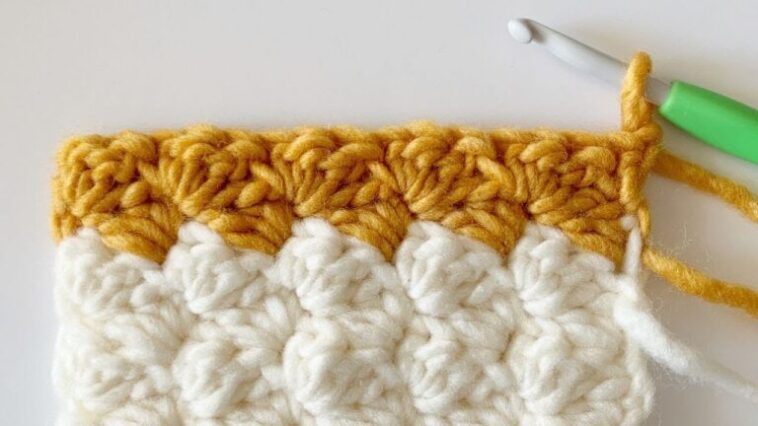
Create a striped effect by changing colors every two rows. This technique adds a visually appealing contrast to your project.
2. Sedge Stitch in the Round
For projects like hats and cowls, work the Sedge Stitch in continuous rounds instead of rows. This eliminates seams and creates a smooth, circular pattern.
3. Lacy Sedge Stitch
Use a larger crochet hook and lighter-weight yarn to create an airy, openwork design perfect for summer shawls.
Projects Using the Sedge Stitch
1. Cozy Blanket
A Sedge Stitch blanket offers a plush and warm texture, making it ideal for winter use. Choose soft, chunky yarn for the best results.
2. Textured Scarf
This stitch works well for scarves, providing a rich, elegant look with added warmth and softness.
3. Dishcloths and Washcloths
Cotton yarn combined with the Sedge Stitch creates durable and absorbent washcloths, perfect for kitchen or bath use.
4. Baby Blankets
The soft and textured nature of this stitch makes it an excellent choice for baby blankets, ensuring a gentle feel against a baby’s skin.
Common Mistakes and How to Fix Them
1. Uneven Edges
If your edges look uneven, ensure you are working a single crochet into the last stitch of each row. This maintains the correct stitch count.
2. Tight or Loose Tension
Practice consistent tension by adjusting your grip on the yarn and hook. A comfortable tension prevents overly tight or floppy stitches.
3. Skipping Stitches
Always count your stitches after each row to make sure you have not accidentally skipped any. This helps maintain the pattern’s symmetry.
Frequently Asked Questions
Q1: Is the Sedge Stitch beginner-friendly?
Yes! The Sedge Stitch is easy to learn and perfect for beginners who want to create textured crochet projects.
Q2: What type of yarn is best for the Sedge Stitch?
Worsted-weight yarn is recommended for beginners, but cotton, acrylic, or wool can also be used depending on the project.
Q3: Can I use the Sedge Stitch for garments?
Absolutely! This stitch adds a unique texture to cardigans, shawls, and sweaters.
Q4: How do I adjust the width of my project?
Simply chain an odd number of stitches to create a custom width for your project.
Conclusion
The Sedge Stitch is a fantastic choice for a variety of crochet projects, offering a rich texture and an elegant finish. Whether you’re making a blanket, scarf, or dishcloth, this stitch is versatile and easy to master. With the step-by-step guide, tips, and variations provided, you can confidently add the Sedge Stitch to your crochet repertoire.